Every Founder should Understand The User Journey Map
March 16, 2021
4 min read
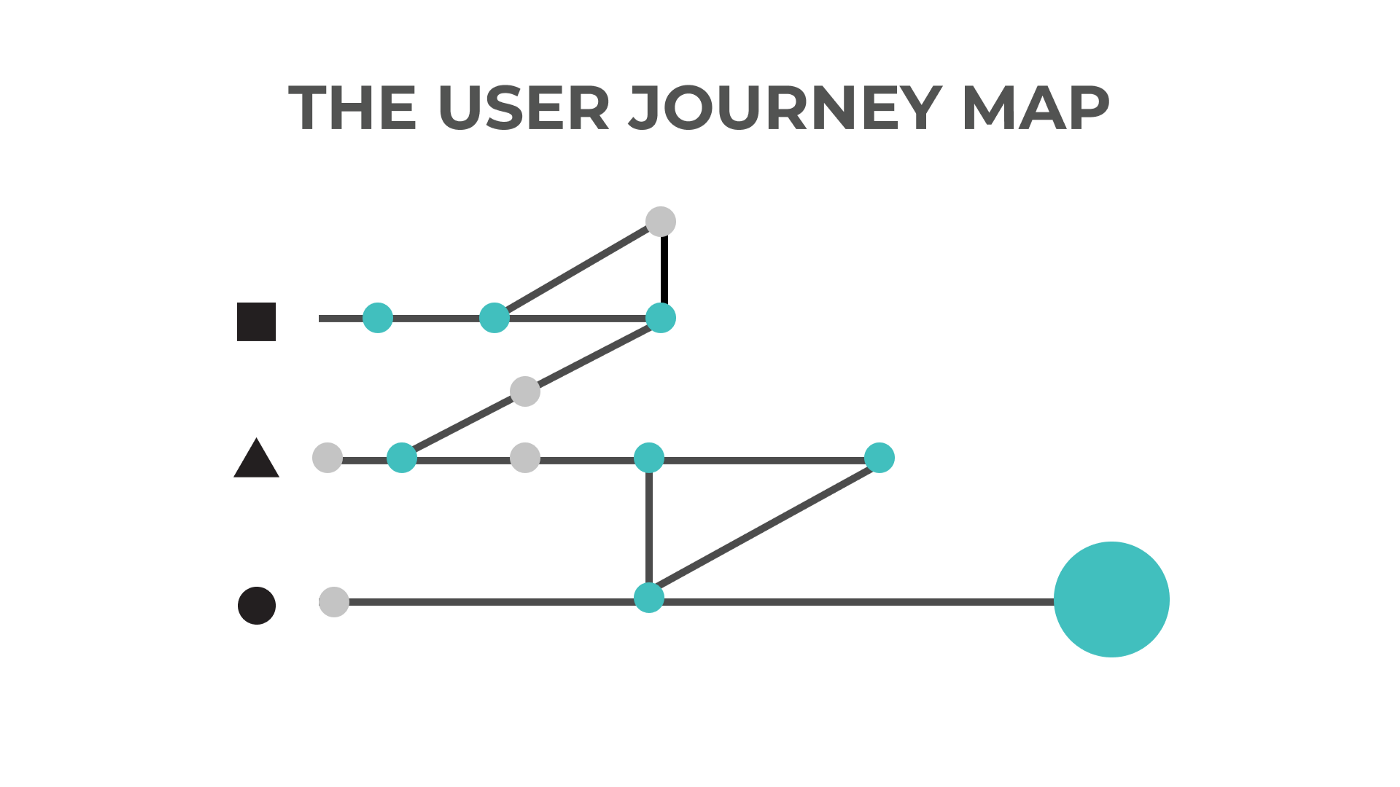
The user journey map is probably the most important thing for any entrepreneur or Product Designer to understand. This single tool or framework helps build better products taking into account how your product interacts with your key users at different touch points allowing you to create a better and more defined user experience.
The user journey map is a story that when told correctly can thrust you into a world that for a brief moment you gain to ability to see and feel things from the perspective of your users. This allows you to create key touch points that you product or service can intervian.
How to get started
To get started with this process is fairly straight forward, start with the primary user and create a map of the series of ideal events that they would undergo while using your prdouct or service.
Example: Uber
- User wants to get to a location
- User bring out phone and launch app
- User types the destination they need to go
- They see a price estimate and and can pick car type
- They confirm their currently location which also searches for available drivers
- Once matched with a driver they can wait or walk to the pick destination and enter there ride.
This the the basic uber flow and it has been optimized to ensure as minimal steps as possible while also getting the user to make little commitments at a time. of course this isn't the end of the flow
- once the user gets to their location and the ride is ended by the driver the user is charged or they get to pay cash to the driver.
So when thinking about your product , think about the user journey and break it down into steps. Breaking things down into steps allows you to see potential drawbacks of each steps and gives you the ability to optimize, improve or remove a step. For example Uber removed the step of having to put you location when you request for a ride. You are just asked, “where are you going?” but they optimized this by making you confirm you pickup location at the same time as confirming the ride.
When you break your product to user journey maps it allows you to build better experiences.
Lets not foget the drivers also have their user jounery which intersects with that of the riders on accepting a ride and during the drive. Its important for you to find how where multiple users journey intersect and how you can make the experience better.
Improving, Optmizing and Removing Steps.
Good Design is a process of elimination while keeping to the core functionality of a process or process. So once you list out what you think the user journey is. You should ask yourself a couple of key questions.
How can I make it easy for the user to go through this flow?
How do I minimize the amount of choice the user has to make?
How to I make each step of the way a delightful experience?
What things can I afford to remove?
What things are not necessary to have?
What things are just nice to have?
What things are easier to build and have the most impact?
What things are harder to build?
Having a clear understanding of these questions and breaking down the flow of your product allows you to opporntity to create better user experience for products and services. Ideally the less things the user has to think about the better.
Building the Fundamentals
At the end of the day something needs to be built, going over the exercise helps identify what these things maybe and helps everyone on the team make more informed decisions. So once you are done with this exercise you can start building. The goal isn't to get everything right in the beginning because a lot of assumptions are still being made. The goal is to get out the fundamental flow and iterate based on user feedback.
Great product arent built at the first go, but after years of constant changes to the user journey flow.
Hope the article inspires you. If you are being a product and would like to have a chat with me about it I'm open to that.
For systems builders
Do you see broken systems
and feel the pull to fix them?
I write about systems thinking, building things that balance people and profit, and the courage it takes to create something new. If that's you — join the list.
Founders, engineers, and leaders who are building better systems.
SubscribeReady to Redesign Your System?
If you've identified a broken system and want help fixing it properly, let's talk.
Start a Conversation